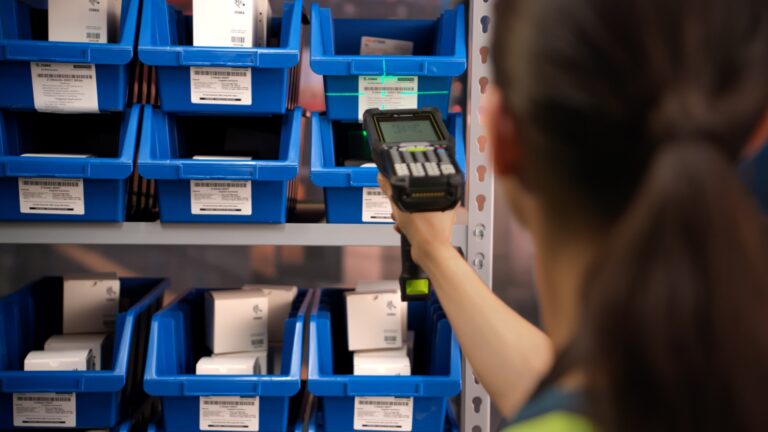


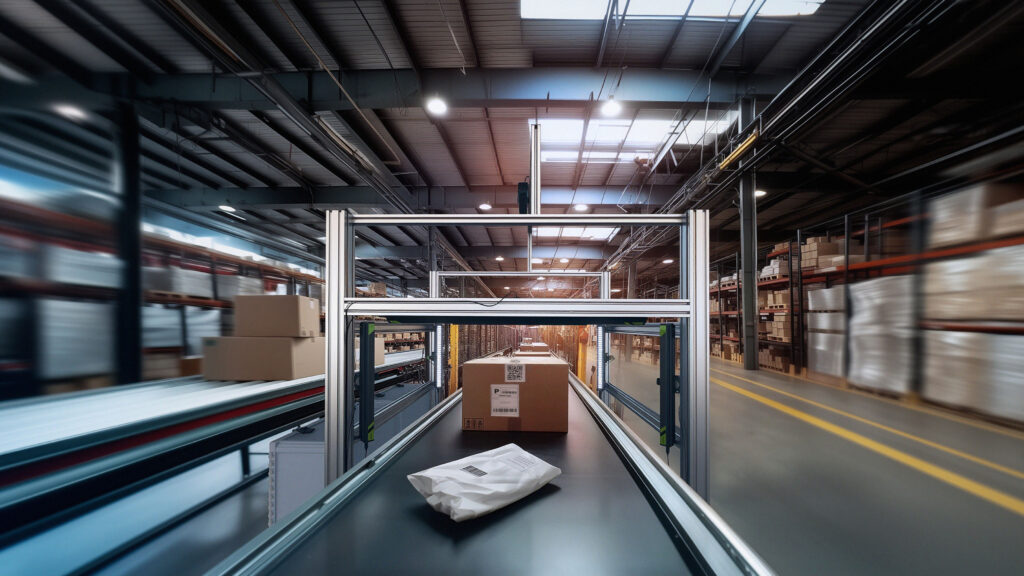
The modern warehouse is unrecognisable compared to just a decade ago. Where clipboards and manual stock counts once dominated the shop floor, today’s leading UK logistics operations run on real-time barcode data, automated label printing, and connected inventory systems that update instantly across every site.
Why Barcode Technology Still Dominates
Despite the rise of RFID and IoT sensors, barcode scanning remains the backbone of warehouse operations across the UK. The reasons are simple — it’s reliable, affordable, and universally understood. A well-implemented barcode system can reduce picking errors by up to 67% and cut stock discrepancy rates to near zero.
“We went from spending 3 hours on a weekly stock count to under 45 minutes — the ROI was visible within the first month.”
— Operations Manager, UK Distribution Centre
The 5 Technologies Driving Change
Here are the five key technologies our team at Kelgray sees transforming warehouse operations right now:
- Print & Apply Systems — Automatically print and apply labels at line speed, eliminating manual labelling bottlenecks
- Rugged Mobile Computers — Zebra and Honeywell devices built for warehouse environments, running WMS apps in real time
- Fixed Industrial Scanners — Mounted scanners on conveyor lines that read barcodes at high speed without human intervention
- Cloud-Based Stock Control — Software like Stockade that gives you live inventory visibility from any device, anywhere
- GS1-Compliant Labelling — Standardised labels that work across your entire supply chain, from goods-in to final delivery
Print & Apply — The Biggest ROI Winner
Of all the technologies above, print & apply automation consistently delivers the fastest return on investment. By removing the human step from label application, businesses eliminate mislabelling, reduce labour costs, and increase throughput simultaneously.
A typical mid-sized UK distribution centre processing 2,000 orders per day can save between £40,000 and £80,000 annually by switching from manual to automated labelling — based on our own customer data collected over the past three years.
Getting Started — What to Do First
If you’re looking to improve your warehouse operations with barcode technology, here’s where to start:
- Audit your current process — where are errors happening and why?
- Identify your highest-volume, most error-prone tasks
- Talk to a specialist (like us) about a targeted solution — not a complete overhaul
- Pilot on one line or one site before rolling out across the business
- Measure everything — errors, speed, labour hours — before and after
How Kelgray Can Help
At Kelgray, we’ve been helping UK businesses implement barcode and labelling solutions for over 54 years. Whether you need a single label printer or a fully automated print & apply line, our team will design a solution that fits your operation and your budget.
Get in touch today for a free consultation — we’ll visit your site, assess your current setup, and give you an honest recommendation with no obligation to buy.