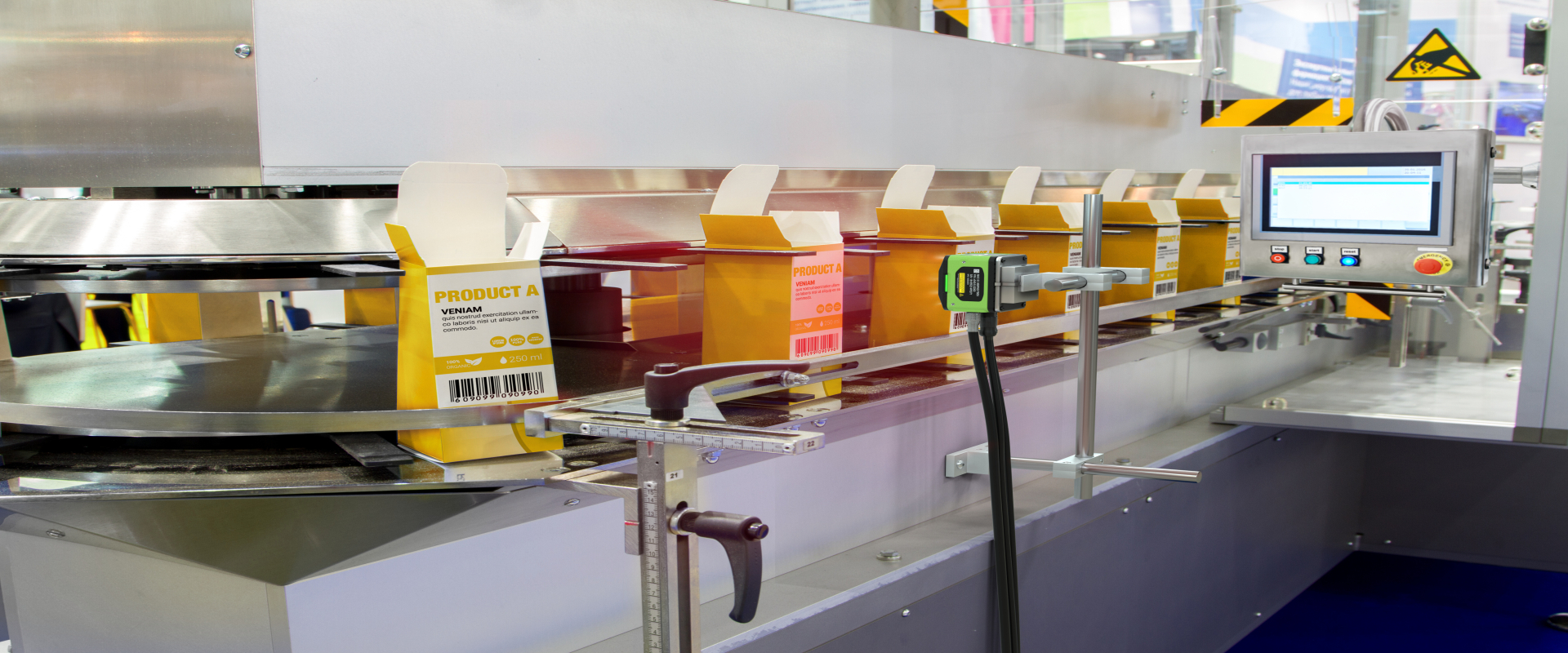


Machine Vision Solutions
Kelgray delivers machine vision barcode reading and inspection systems that protect throughput, traceability, and quality.
 4.8 Google Reviews

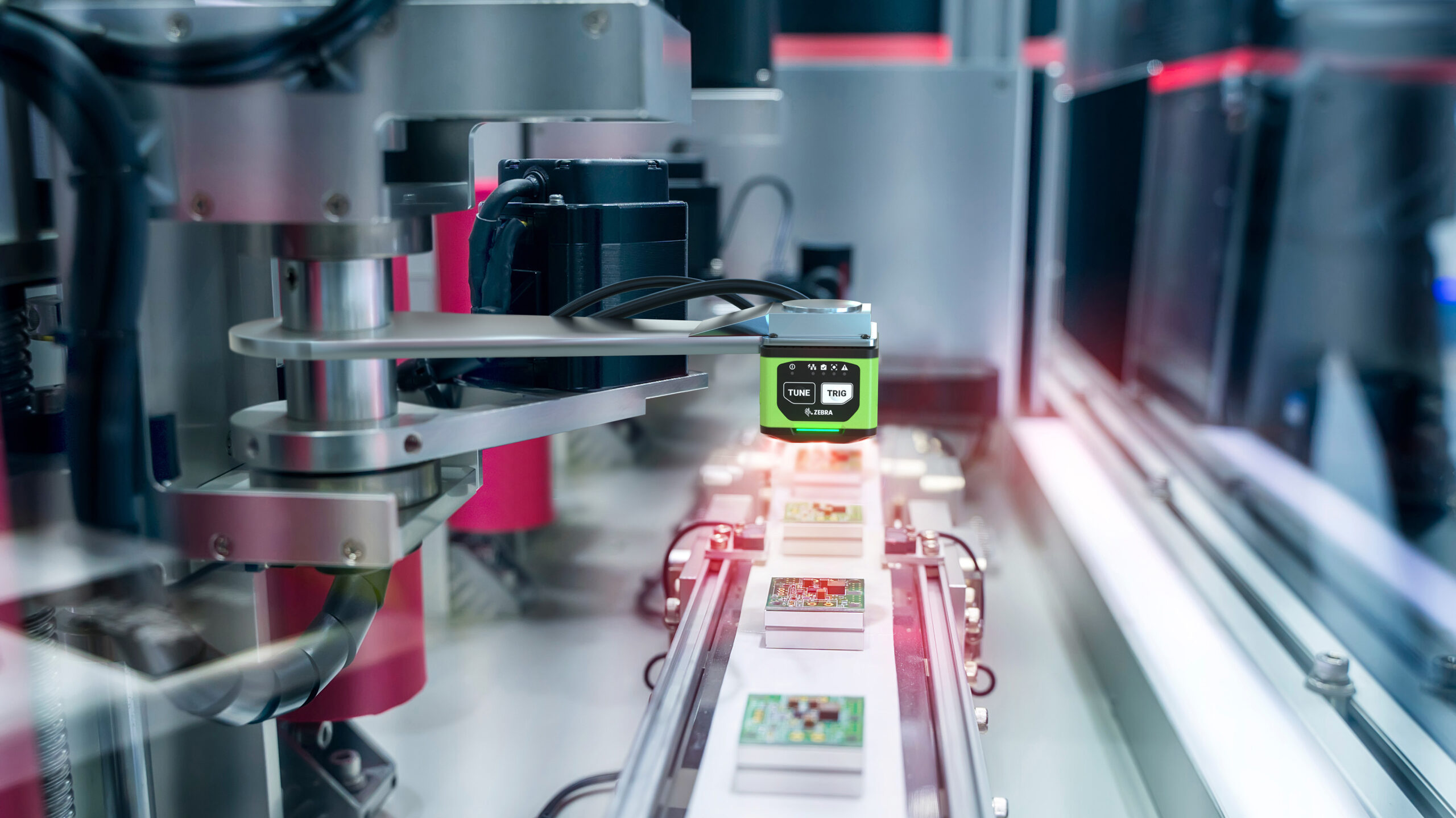


Machine Vision Solutions Overview
We design, supply and support automated barcode scanning and quality inspection systems for production and logistics environments. By combining industrial cameras, lighting and smart software, we capture accurate data at speed, confirm labels are correct and readable, and spot defects before goods leave your site. Our engineers configure every solution around your process, then test, commission and support it for dependable performance. The result is fewer stoppages, fewer claims, and consistent quality you can prove.
Service information
Machine vision is only valuable when it works reliably on every shift. We build repeatable barcode reading and inspection around your line speed, product variation and operator routines.
That means the right optics and lighting, stable mounting and triggering, and clear pass/fail logic linked to your controls. Because we already supply scanners, printers, labels and software, we can align the whole workflow from print, apply and verify, and hand over a system you trust.
Machine vision is only valuable when it works reliably on every shift. We build repeatable barcode reading and inspection around your line speed, product variation and operator routines.
That means the right optics and lighting, stable mounting and triggering, and clear pass/fail logic linked to your controls. Because we already supply scanners, printers, labels and software, we can align the whole workflow from print, apply and verify, and hand over a system you trust.

Why Machine Vision Solutions ?

Automated Barcode Capture :
Automated barcode reading prevents missed scans and manual keying, keeping conveyors and packing lines moving. Reliable data capture strengthens traceability, giving confidence for recalls, audits, chargeback prevention and customer compliance.
In Line Inspection :
In-line inspection catches wrong labels, poor print, missing components and seal defects before shipment. That protects your brand, reduces rework and waste, and keeps quality consistent across high-volume daily operations.
Custom System Integration
No two sites look the same, so we configure cameras, lighting, lenses and software to your substrates, speeds and codes. We integrate with existing conveyors, PLCs, printers and warehouse systems.
Single Supply Support
With ISO 9001 accreditation, long-standing manufacturer partnerships and comprehensive support, we keep your system performing. Our single supply route simplifies spares, consumables and service, improving uptime and accountability long term.
Trusted by leading brands

Client Testimonials
Don't Just Take Our Word For It...
Lester Controls has relied on Kelgray for many years. The support they provide is exceptional, and their extensive product knowledge places them at the forefront of the industry. We look forward to continuing our partnership for many years to come.


Having partnered with Kelgray for over 20 years, we have consistently experienced exceptional product knowledge, reliability, and service. They remain a trusted supplier we confidently rely on.

Kelgray provide ILG with outstanding value and quality, supporting our multi-site nationwide requirements. Their service and support is reliable, affordable, and always delivered on time.


Our Frequently Asked Questions
Here are all of the answers to your most common questions around Machine Vision Solutions:
Scanning confirms a barcode can be read by a specific device in that moment. Verification goes further by measuring and grading symbol quality against recognised ISO standards, so the code will scan reliably across different scanners and throughout the supply chain. In practice, verification identifies why a code may be risky (for example low contrast, print defects or quiet zone issues) and provides an objective report you can use to correct the root cause.
Yes. We design solutions to work with existing conveyors, labellers and control systems, and to pass results into your business systems (for example WMS, ERP or MES). Integration typically includes I/O or industrial network signals for triggers and rejects, plus data interfaces for scan results, inspection status and reporting. Where off‑the‑shelf integration is not enough, our in-house developers can create bespoke applications to keep the workflow simple for operators and supervisors.
Reliability comes from engineering the whole inspection environment, not just choosing a camera. We control presentation (consistent position and timing), specify lighting that makes the feature or code stand out, and lock down mechanical mounting so results stay repeatable. We then validate performance against your real products, speeds and tolerances, and agree clear rules for pass/fail and exception handling. This reduces false rejects, missed reads and operator workarounds.
Often, yes, but it depends on the code, substrate, speed and available mounting distance. Vision-based readers perform best when we pair correct optics and illumination with appropriate exposure settings, then tune decoding for your symbologies and expected defects. If the application is challenging (curved packs, glossy films, low-contrast print or direct part marks), we run trials with representative samples and design the station to maximise read-rate and stability, not just best-case performance.
We support the full life cycle: commissioning, operator training, documentation, and ongoing technical help. Where required, we can supply spares and replacement parts through our established manufacturer relationships, and schedule preventative maintenance to protect performance over time. We also help you manage change, new SKUs, label materials or print processes, by retuning parameters and updating inspection rules so reliability is maintained as your operation evolves.
By catching issues early and consistently, machine vision helps reduce scrap, rework, relabelling and returns, areas that quickly add up in material waste and energy use. Automated checks also reduce the need for repeated handling and manual sorting, which can lower damage rates. In many operations, the biggest sustainability gain comes from reliability: fewer errors, fewer rejected pallets, and less ‘just in case’ reprinting or overpackaging to compensate for uncertainty.
Specialist Machine Vision Solutions Options
Advanced machine vision systems for automated barcode scanning and precision quality inspection, helping manufacturers improve traceability, reduce errors and maintain consistent production performance.
Quality
Inspection Systems
Reliable vision quality inspection that catches label, print and packaging defects before products leave site.